Welcome to “Inspiration” by ForYou.ie, where gifting becomes an art, turning every gesture into a heartfelt connection.
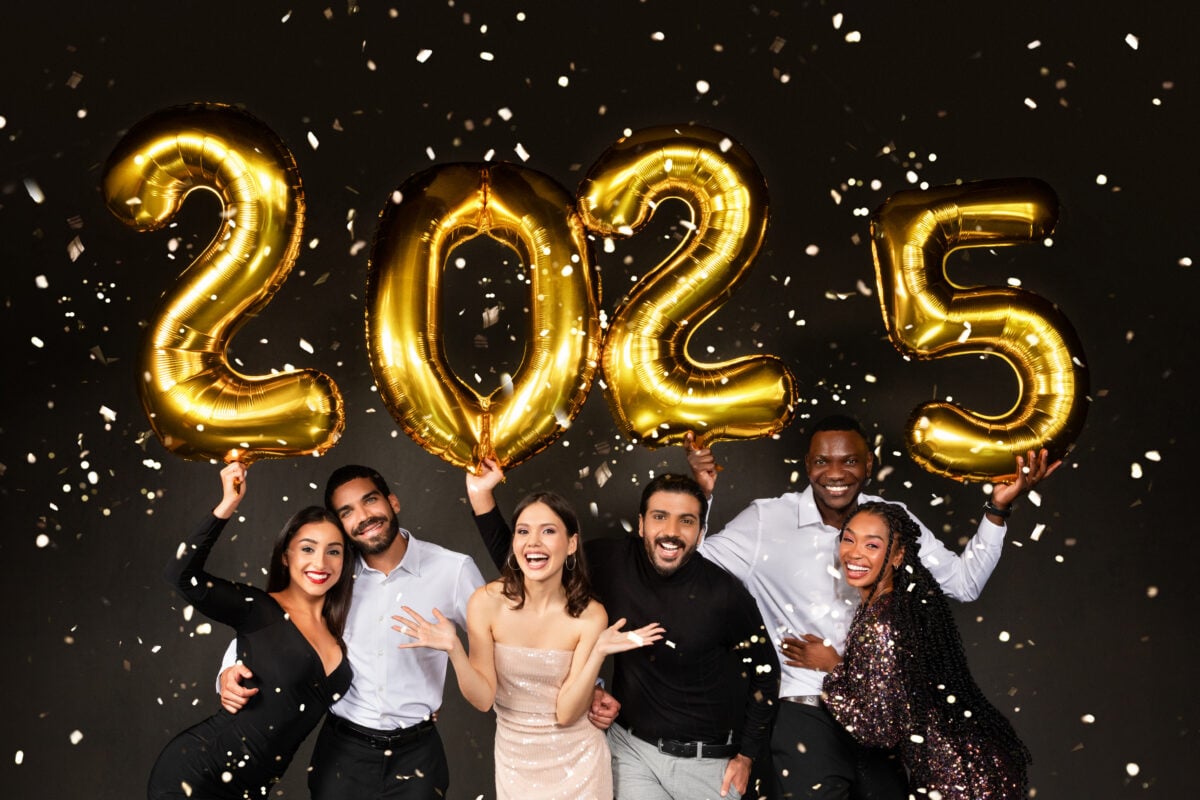
As the clock strikes midnight on December 31st, the world celebrates the arrival of a new year with unique customs and age-old traditions. Each country has its way of ringing in the new year, from feasts to fireworks, and symbolic acts believed to bring good fortune. Let’s take a tour of some fascinating New Year traditions worldwide before focusing on the cherished ways we celebrate here in Ireland.
Unique New Year Traditions Around the World
1. Spain: Eating Grapes for Luck
In Spain, welcoming the New Year involves a quirky but meaningful tradition of eating 12 grapes at the stroke of midnight. As the clock chimes 12 times, Spaniards quickly eat one grape for each chime. Each grape represents one month of the coming year, and consuming them in time with the chimes is believed to bring good luck and prosperity. Many families gather around their televisions or in public squares to take part in this tradition, often holding their breath to finish the task before the final bell. This practice, known as “Las Doce Uvas de la Suerte” (The Twelve Grapes of Luck), is thought to have originated in the early 20th century as a clever way for grape farmers to sell surplus harvests. Today, it’s a beloved custom that unites Spaniards and creates a sense of shared anticipation for the year ahead.
2. Japan: Bell Ringing and Osechi Ryori
The Japanese embrace the New Year with a deep sense of reflection and renewal through the tradition of “Joya no Kane.” At Buddhist temples across the country, bells are rung 108 times, symbolizing the purification of 108 earthly desires, according to Buddhist teachings. This ritual is believed to cleanse the soul and prepare individuals for a fresh start. Following the midnight bell ringing, families indulge in Osechi Ryori, a beautifully arranged assortment of symbolic dishes. Each dish holds a specific meaning, such as black beans (for health), sweet rolled omelet (for joy), and herring roe (for fertility). These dishes are often prepared in advance and stored in lacquered boxes, allowing families to spend New Year’s Day together without worrying about cooking. Combining spirituality with culinary tradition, Japan’s New Year customs embody harmony and gratitude.
3. Denmark: Smashing Plates and Jumping Off Chairs
In Denmark, New Year’s Eve is a time for breaking old patterns—literally! Friends and neighbours gather to smash old plates and crockery on each other’s doorsteps as a symbol of goodwill and affection. The bigger the pile of broken dishes outside your home, the more love and friendship you’re believed to have in the year ahead. In addition to this playful tradition, Danes also leap into the new year by jumping off chairs at the stroke of midnight. This act, often done with a collective cheer, symbolises a fresh start and leaving behind any troubles from the past year. Both customs are lively, fun, and full of positive energy, reflecting Denmark’s spirit of community and optimism as the calendar turns.
4. Brazil: Jumping Waves and White Attire
Brazil’s New Year’s traditions are closely tied to its beaches and the sea, making the celebrations as vibrant as the country itself. Many Brazilians dress in white on New Year’s Eve, symbolizing peace, purity, and renewal. This custom is rooted in Afro-Brazilian traditions honoring Iemanjá, the goddess of the sea, who is believed to bring good fortune. As midnight approaches, revelers gather on the beaches to jump over seven waves—one for each day of the week—while making a wish with each leap. Offering flowers or small gifts to the sea is also common, as a gesture of gratitude and hope for blessings in the year to come. These seaside rituals, paired with music, dancing, and fireworks, make Brazil’s New Year celebrations a spectacular blend of spirituality and festivity.
5. Scotland: Hogmanay and First Footing
In Scotland, the New Year’s Eve celebrations, known as Hogmanay, are among the most spirited and deeply rooted in tradition. The festivities often include large public gatherings with fireworks, torchlight processions, and lively renditions of “Auld Lang Syne.” A unique custom called “first footing” begins right after midnight, where the first visitor to cross your home’s threshold brings symbolic gifts such as coal, shortbread, or whiskey. This tradition is believed to bring luck and prosperity to the household for the coming year. It’s considered particularly lucky if the first-footer is a tall, dark-haired man. The Hogmanay celebrations can last for several days, reflecting Scotland’s hearty embrace of the new year and its emphasis on community, hospitality, and good fortune.
6. Italy: Red Underwear and Lentils
In Italy, ringing in the New Year is steeped in traditions that promise good fortune and prosperity. One of the quirkiest customs is wearing red underwear on New Year’s Eve, believed to bring love and luck in the year ahead. Italians also enjoy a feast featuring lentils, as their round shape symbolizes coins and financial prosperity. Often served with “cotechino” (a type of sausage) or “zampone” (stuffed pig’s trotter), this dish is a delicious and meaningful way to welcome abundance in the coming year. Fireworks and celebrations in piazzas across Italy add to the festive spirit, making New Year’s Eve a joyful occasion from north to south.
7. Greece: Vasilopita and Pomegranate Smashing
In Greece, New Year’s celebrations revolve around family, food, and fortune. A highlight is the cutting of the “Vasilopita,” a sweet bread or cake baked with a hidden coin inside. The person who finds the coin in their slice is said to have good luck for the year. Another symbolic tradition involves smashing a pomegranate on the ground outside the house. The more seeds that scatter, the more good fortune the household is believed to receive. These customs, combined with lively gatherings and fireworks, ensure that Greeks begin the year with optimism and joy.
8. Philippines: Round Fruits and Polka Dots
In the Philippines, New Year’s Eve is all about circles, symbolising prosperity and wealth. Families often prepare a table filled with 12 round fruits, one for each month of the year, to attract financial abundance. Many people also wear polka-dotted clothing to enhance this theme of good fortune. At the stroke of midnight, loud noises—such as clanging pots, blaring music, or setting off firecrackers—are made to drive away evil spirits and usher in a prosperous new year. This vibrant mix of tradition and superstition reflects the Filipinos’ hopeful and festive approach to the year ahead.
9. Germany: Bleigießen and Fireworks
In Germany, New Year’s traditions are a mix of fortune-telling and festive celebrations. One of the most unique customs is “Bleigießen,” where small pieces of lead or tin are melted over a flame and then dropped into cold water. The shapes that form are interpreted to predict what the new year holds. Germans also celebrate with fireworks, as the loud bangs are believed to ward off evil spirits. Parties with sparkling wine, festive foods, and lively gatherings make New Year’s Eve, or “Silvester,” a memorable and optimistic occasion.
10. South Africa: Throwing Out the Old
In South Africa, some neighbourhoods take the idea of starting fresh literally by throwing old furniture and household items out of windows or doors on New Year’s Eve. This practice symbolises discarding the past and making room for new blessings. While this tradition is not universally practiced, it’s a well-known aspect of South African New Year’s celebrations in certain communities. Across the country, families and friends gather to enjoy music, food, and fireworks, blending modern festivities with a focus on renewal and hope for the coming year.
11. Ancient Babylon: The Akitu Festival
One of the earliest recorded New Year’s celebrations comes from ancient Babylon, dating back over 4,000 years. The Babylonians marked the new year during the spring equinox with an 11-day festival known as Akitu. This grand celebration was held to honour the god Marduk’s victory over the chaos goddess Tiamat, symbolising the renewal of life and the establishment of order. During Akitu, rituals included processions, prayers, and symbolic acts of renewal, such as the king being stripped of his regalia to humble himself before the gods, then reinstated as a sign of divine favour. Though ancient, the themes of renewal and celebration feel surprisingly familiar in today’s New Year traditions!
Celebrating New Year in Ireland
Ireland has its own unique take on ringing in the new year, blending ancient traditions with modern festivities. From gatherings steeped in folklore to vibrant celebrations in cities and towns, here’s how the Irish embrace this magical time of year.
1. Clearing Out the Old Year
In some Irish households, there’s a tradition of cleaning the home before New Year’s Day. This act is symbolic of sweeping out the bad luck of the past year and making space for fresh starts.
2. Honouring the Memory of Loved Ones
Many Irish families light a candle or set an extra place at the table for loved ones who have passed, ensuring they’re included in the celebration. It’s a poignant reminder of the importance of family and connection.
3. Midnight Feasts and Toasts
Food and drink play a central role in Irish New Year celebrations. Families often gather to share a special meal, with dishes like spiced beef or black pudding making appearances in traditional homes. At midnight, glasses of champagne or Irish whiskey are raised in a toast to health and happiness in the year ahead.
4. Music and Dancing
Traditional Irish music sessions, or “seisiúns,” are common during New Year’s celebrations. Pubs and homes alike come alive with fiddles, bodhráns, and heartfelt renditions of songs that reflect the joy of new beginnings.
5. Wishing for Prosperity
The practice of banging bread against walls and doors is a quirky but meaningful tradition in some parts of Ireland. It’s believed to chase away bad luck and invite prosperity into the home for the coming year.
Modern New Year Celebrations in Ireland
- Dublin’s New Year’s Festival
Ireland’s capital hosts a spectacular New Year’s Festival with live music, light shows, and fireworks. Thousands gather at iconic locations like the Custom House to welcome the new year in style. - Local Gatherings and Fireworks
Across the country, towns and villages mark the occasion with community events, fireworks displays, and countdowns in local squares or pubs. - Quiet Escapes in the Countryside
For those seeking a more peaceful celebration, Ireland’s stunning landscapes provide the perfect backdrop for a reflective and serene New Year’s experience. Popular choices include coastal walks and stargazing in rural areas.
Why New Year’s in Ireland is Special
Ireland’s mix of heartfelt traditions and contemporary celebrations makes New Year’s a unique blend of reflection and revelry. Whether you’re dancing to a lively jig in a pub, watching fireworks light up the sky, or quietly lighting a candle for a loved one, the spirit of hope and renewal is unmistakable.
From global inspiration to local flair, New Year in Ireland is truly magical. Here’s to a happy and prosperous year ahead—sláinte!

Niamh Doyle
Head of Customer Experience
Niamh is the Head of Customer Experience at ForYou.ie. With a keen eye on making every shopping experience delightful, Niamh leads our efforts to ensure our gift shoppers find joy in every interaction. Her passion for understanding customer needs helps us create memorable moments for every gift-giving occasion. Follow her for insights and tips on making your gift shopping experience extraordinary.