Welcome to “Inspiration” by ForYou.ie, where gifting becomes an art, turning every gesture into a heartfelt connection.
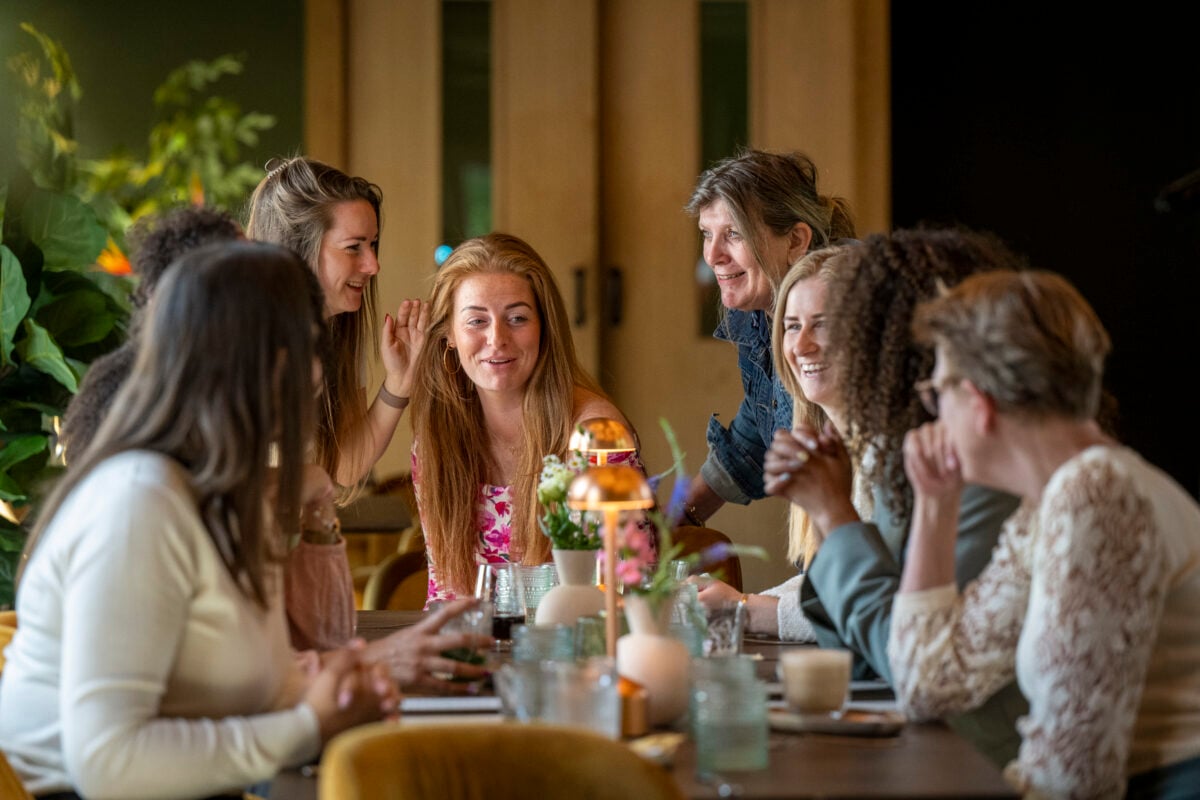
As the festive season winds down and the new year begins, January 6th marks a day of unique significance in Ireland: Nollaig na mBan, or Women’s Christmas. This cherished tradition is not just a celebration of the Epiphany but also a moment to honor the incredible contributions of women to family, community, and society. Steeped in history and cultural meaning, Nollaig na mBan is a time for relaxation, connection, and appreciation.
Unlike the bustle of the earlier Christmas days, Women’s Christmas provides a well-deserved break for women, who historically shouldered the lion’s share of holiday preparations. It’s a day to step back, enjoy the company of other women, and celebrate the bonds of friendship, family, and community. Though it originated as a rural Irish tradition, Nollaig na mBan has evolved into a powerful symbol of gratitude and empowerment, resonating with modern women while maintaining its rich cultural roots.
In recent years, the tradition has experienced a revival, becoming not only a day for rest and celebration but also an opportunity to highlight the achievements of women and advocate for their well-being. Whether through small gatherings, acts of self-care, or community events, Nollaig na mBan has expanded into a vibrant and inspiring occasion, blending old customs with new interpretations.
Before diving into how Nollaig na mBan is celebrated today, let’s explore its historical roots and the enduring values that make it such a beloved tradition.
The Origins of Nollaig na mBan
Historically, Nollaig na mBan was a day when Irish women gathered to relax and enjoy one another’s company after the Christmas festivities. Nollaig na mBan arose from the gendered division of labor in rural Irish households. For many, it was the only break they took during the demanding holiday season, which often saw women managing the bulk of the preparations, from cooking feasts to decorating the home and caring for family. The Feast of the Epiphany marked the end of the 12 days of Christmas, and while men were traditionally expected to take over the household duties for the day, women celebrated with their friends, mothers, sisters, and neighbours. They shared food, drink, and laughter, often reflecting on the year that had passed and looking ahead to the future.
Though the practice was strongest in rural Ireland, it became a symbolic gesture of gratitude for women’s hard work during the festive period, making it a cherished part of Irish culture. During the holiday season, women took on the enormous task of preparing the home, cooking festive meals, and ensuring the celebrations ran smoothly. This work was seen as their responsibility, while men were more likely to take on public-facing roles, such as sourcing the Christmas tree or attending social events. By the time January 6th arrived, women had spent weeks—if not months—planning, baking, cleaning, and hosting.
Nollaig na mBan provided a much-needed reprieve. On this day, the roles reversed: women set aside their domestic duties and gathered together, often leaving the men to manage the household for the day. It was a time for relaxation and celebration, as women met in each other’s homes, local pubs, or community spaces to share a meal, a drink, and lively conversation. For many, it was also an opportunity to reflect on the season past and prepare for the year ahead.
Religious significance played a key role in the tradition’s evolution. January 6th, the Twelfth Day of Christmas, held deep meaning in the Christian calendar. For many Irish women, attending Mass on the Epiphany was a significant part of Nollaig na mBan. Prayers were often offered for family members, particularly those who had emigrated—a poignant reminder of Ireland’s history of migration. After Mass, the day transitioned into a more social and celebratory atmosphere, blending the spiritual with the communal.
Over time, the tradition became less formal but no less meaningful. While its rural origins tied it to the rhythms of family and farm life, Nollaig na mBan was equally celebrated in urban centres. From Galway to Dublin, women embraced the day as an opportunity to honour their friendships, share stories, and pass down traditions to younger generations.
Though its prominence faded in the mid-20th century with the rise of modern conveniences and changing family dynamics, Nollaig na mBan has experienced a vibrant revival in recent decades. Today, it resonates as a celebration of women’s achievements and contributions, blending its historical roots with contemporary values of empowerment and community.
How Nollaig na mBan is Celebrated Today
In modern times, Nollaig na mBan has taken on a renewed significance, blending traditional elements with contemporary celebrations of women’s achievements and empowerment. Here’s how it is often observed today:
- Gathering with Friends and Family
Women come together to share meals, drinks, and good conversation. These gatherings can take place in homes, cafes, or restaurants, offering an opportunity to reconnect and relax. - Celebrating Women’s Achievements
Events such as talks, workshops, and performances highlighting women’s contributions to art, business, and community have become popular. These events provide inspiration and recognition for women’s accomplishments. - Acts of Gratitude and Self-Care
Many women use the day as an opportunity to treat themselves. Whether it’s a spa day, a shopping trip, or simply time spent reading or walking, Nollaig na mBan is a reminder to prioritise self-care. - Charity and Community Spirit
Some women’s groups and organisations use the occasion to support charitable causes, particularly those focused on helping women and children in need. Fundraising events, donation drives, and volunteering are all common ways to mark the day.
Symbolism and Importance of Nollaig na mBan
At its core, Nollaig na mBan is about recognition and appreciation. It’s a day to honour the contributions of women, not just within families but in communities and society at large. As the role of women has evolved, the tradition has expanded to encompass broader themes of equality, empowerment, and celebration of achievements.
For many, Nollaig na mBan is also a time for storytelling. The day often involves sharing anecdotes and memories, connecting generations of women through shared experiences and values.
How to Celebrate Nollaig na mBan
If you’re looking to celebrate Nollaig na mBan, here are some ideas:
- Host a Gathering
Invite friends and family over for a meal or a cozy afternoon tea. Share stories, play music, and enjoy one another’s company. - Reflect on the Year
Use the day to set intentions for the year ahead. Write down goals, dreams, or areas of personal growth you’d like to focus on. - Support Women-Led Businesses
Treat yourself to products or services from women entrepreneurs, from handmade crafts to wellness experiences. - Attend a Cultural Event
Many communities host concerts, talks, or exhibitions in honour of Nollaig na mBan. Look for events in your area to connect with others celebrating the day. - Give Back
Participate in a charitable initiative focused on women’s issues. Donate to a women’s shelter, support a scholarship fund, or volunteer your time. - Indulge in Self-Care
Use the day to relax and recharge. Take a long bath, read a book, or enjoy a peaceful walk in nature.
The Legacy of Nollaig na mBan
Nollaig na mBan is more than just a day of celebration—it’s a testament to the resilience, strength, and camaraderie of women. It serves as a reminder of the importance of community, self-care, and honouring the roles women play in shaping families and society.
By embracing both its traditional roots and modern interpretations, Nollaig na mBan continues to be a meaningful and joyous occasion that inspires gratitude, connection, and celebration.
Celebrate Nollaig na mBan with Thoughtful Gifts
Looking for the perfect way to honour the women in your life this Nollaig na mBan? Explore our range of thoughtful and personalised gifts at ForYou.ie, where you’ll find something for every woman to feel appreciated and cherished. From elegant keepsakes to meaningful tokens, make this Women’s Christmas truly special.

Niamh Doyle
Head of Customer Experience
Niamh is the Head of Customer Experience at ForYou.ie. With a keen eye on making every shopping experience delightful, Niamh leads our efforts to ensure our gift shoppers find joy in every interaction. Her passion for understanding customer needs helps us create memorable moments for every gift-giving occasion. Follow her for insights and tips on making your gift shopping experience extraordinary.