
Welcome to “Inspiration” by ForYou.ie, where gifting becomes an art, turning every gesture into a heartfelt connection.
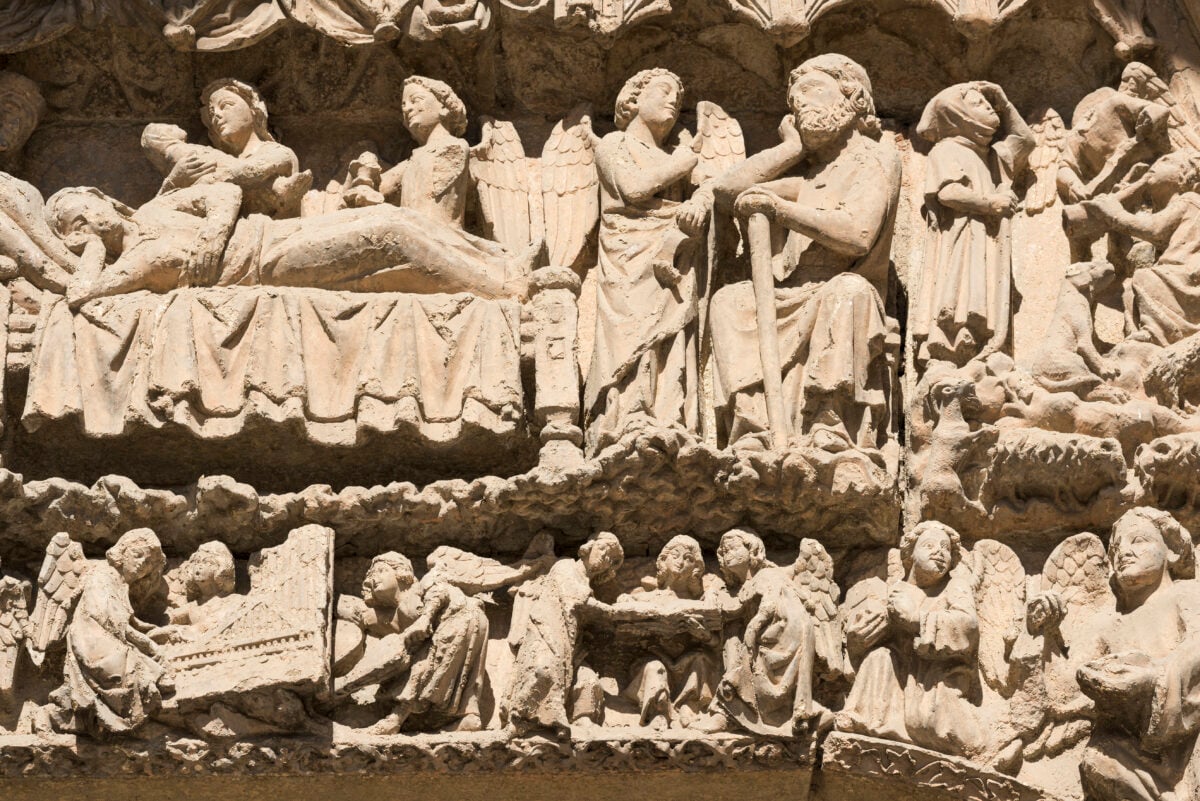
New Year’s resolutions are a long-standing tradition observed by millions around the globe. Each January 1st, people reflect on their lives and set goals to better themselves, from health and career ambitions to personal growth. But where did this practice originate, and how has it evolved over time? The history of New Year’s resolutions is as fascinating as it is diverse, stretching back thousands of years and spanning multiple cultures.
The Ancient Beginnings of New Year’s Resolutions
Babylonian Roots (circa 2000 BCE): The earliest known New Year celebrations can be traced back to the ancient Babylonians. Their new year began in March, tied to the planting of crops, and was celebrated with a 12-day festival called Akitu. During this time, Babylonians made promises to their gods, often involving the repayment of debts or the return of borrowed items. These vows were considered essential for securing the gods’ favour in the coming year.
Roman Influence: The tradition of making resolutions was later adapted by the Romans under Emperor Julius Caesar, who established January 1st as the start of the new year in 46 BCE. The month of January was named after Janus, the Roman god of beginnings and transitions. Depicted with two faces—one looking forward and one looking back—Janus symbolised reflection on the past and hope for the future. Romans would offer sacrifices to Janus and make promises of good conduct in the year ahead.
The Evolution Through the Middle Ages
During the Middle Ages, the concept of New Year’s resolutions became intertwined with Christian practices. On New Year’s Eve, many Christians participated in watchnight services, where they prayed and reflected on past mistakes while resolving to improve in the coming year. These promises were less about self-improvement and more about living a life aligned with Christian values.
Resolutions in Modern Times
18th and 19th Century Transformation: By the 18th century, New Year’s resolutions had shifted toward self-discipline and morality. Influenced by religious movements like Methodism, people made resolutions focused on personal improvement, such as avoiding bad habits or dedicating themselves to community service.
20th Century Popularity: The 20th century saw New Year’s resolutions become a secular tradition. With the rise of self-help culture and an emphasis on personal achievement, resolutions expanded to include goals like weight loss, financial success, and career advancement. The concept of “new year, new me” emerged as a cultural mantra, inspiring people to view January 1st as a fresh start.
Modern Trends in New Year’s Resolutions

Today, resolutions reflect a blend of ancient traditions and modern aspirations. Common goals include health and fitness, financial stability, and improved relationships. However, newer trends focus on mental well-being, mindfulness, and sustainability, reflecting contemporary values.
The rise of technology has also transformed how people approach resolutions. Apps and digital tools help individuals set, track, and achieve their goals. Social media plays a role too, as people share their aspirations online for encouragement or accountability.
Why Resolutions Persist
Despite their mixed success rates, New Year’s resolutions remain popular because they embody hope and renewal. They offer an opportunity to reflect on the past, set meaningful intentions, and take steps toward a better future. The symbolic nature of a “new year” provides a psychological boost, making it easier to believe in the possibility of change.
Interesting Facts About New Year’s Resolutions
- Most Common Resolutions: Exercise more, eat healthier, save money, and spend more time with loved ones.
- Global Participation: While widely observed in Western cultures, similar practices exist worldwide, such as setting intentions during the Chinese New Year or renewing vows during Rosh Hashanah.
- Success Rates: Studies suggest that while nearly half of adults make resolutions, only about 8% achieve them. However, those who explicitly set goals are more likely to succeed than those who don’t.
Making Resolutions Work for You
To honor the tradition of New Year’s resolutions, focus on realistic and meaningful goals. Here are some tips to make your resolutions stick:
- Start Small: Break your resolution into manageable steps.
- Stay Accountable: Share your goals with a friend or use a tracking app.
- Be Kind to Yourself: Expect setbacks, and use them as learning opportunities.
- Celebrate Progress: Acknowledge small wins to stay motivated.
A Tradition of Hope and Renewal
The history of New Year’s resolutions reveals a timeless human desire for growth and renewal. From ancient Babylonian promises to modern fitness goals, this practice reflects our universal wish to become better versions of ourselves. As you step into the new year, remember that the tradition is not just about perfection—it’s about striving, learning, and celebrating the journey.
Ready to embrace your resolutions? Discover our planners and personalised gifts to help you stay inspired and on track throughout the year. Here’s to a brighter, more fulfilling year ahead!

Niamh Doyle
Head of Customer Experience
Niamh is the Head of Customer Experience at ForYou.ie. With a keen eye on making every shopping experience delightful, Niamh leads our efforts to ensure our gift shoppers find joy in every interaction. Her passion for understanding customer needs helps us create memorable moments for every gift-giving occasion. Follow her for insights and tips on making your gift shopping experience extraordinary.